Blogs and podcasts on credentials, crane work, and company risk for skilled trades.
Jump to Blog posts, The Brief, or Deep Dive podcasts.
Blogs, podcasts, and product news — one compact sign-up.
We use your email only to notify you of new Insights and product news; see Privacy Policy.
Email signup for blogs, The Brief, Deep Dive, and product news.
We use your email only to notify you of new Insights and product news; see Privacy Policy.
Company and crane insights — open any card to read the full post.
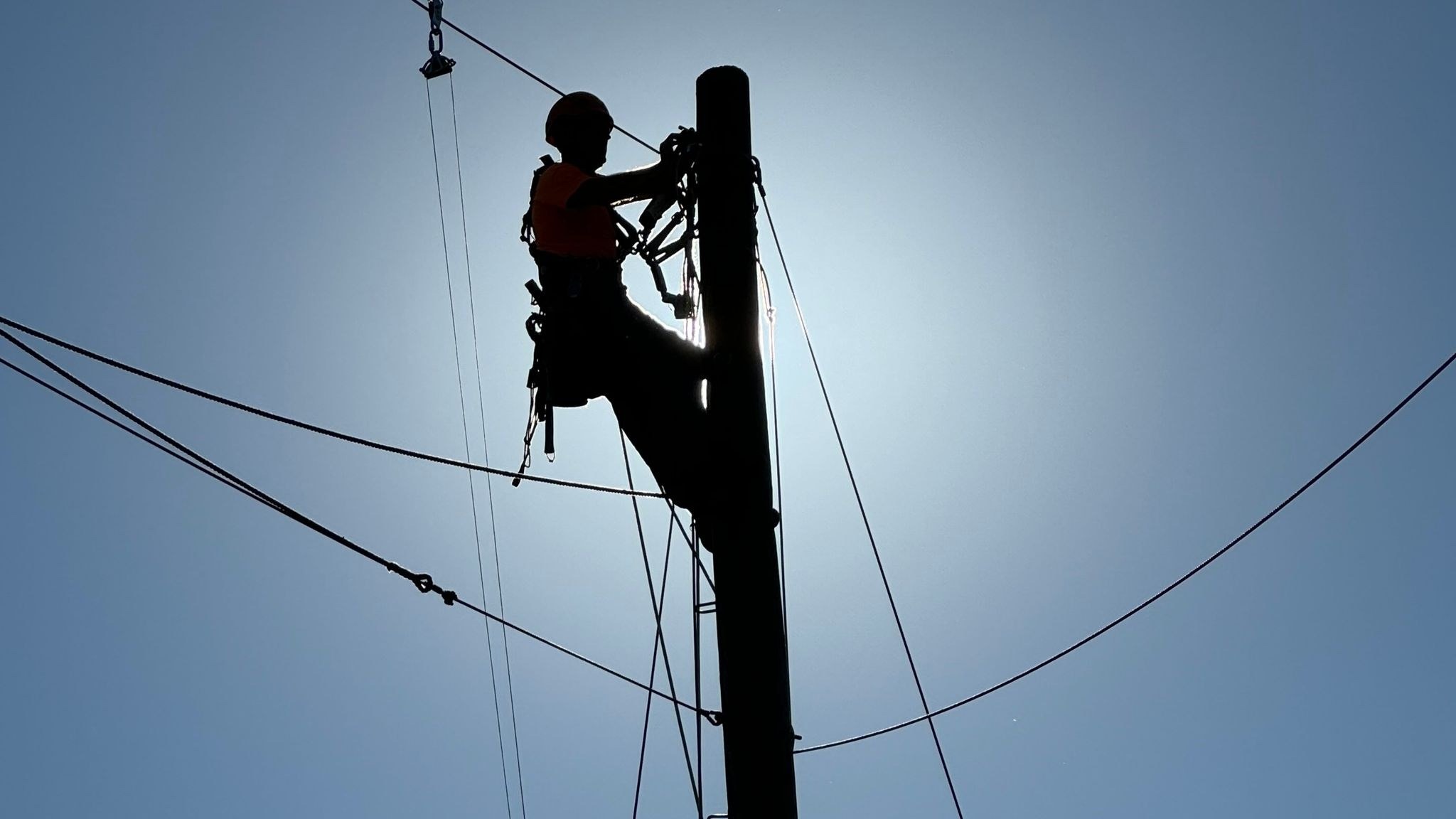
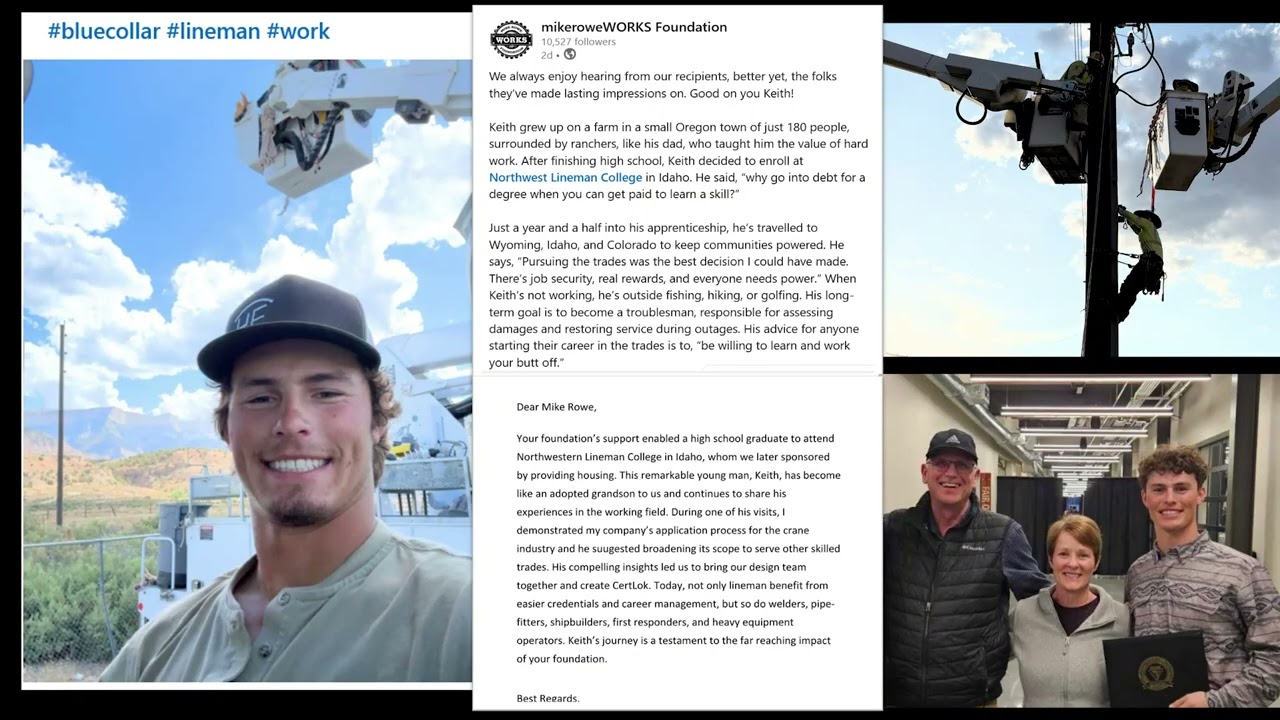
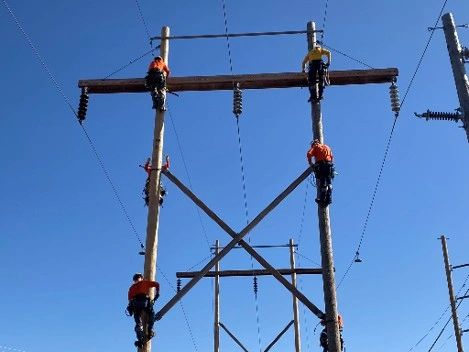
The Lineman's Path from Apprentice to Journeyman
Read
Yes, CertLok turns the work history and credentials a tradesperson enters into a résumé they can send from their phone.
Read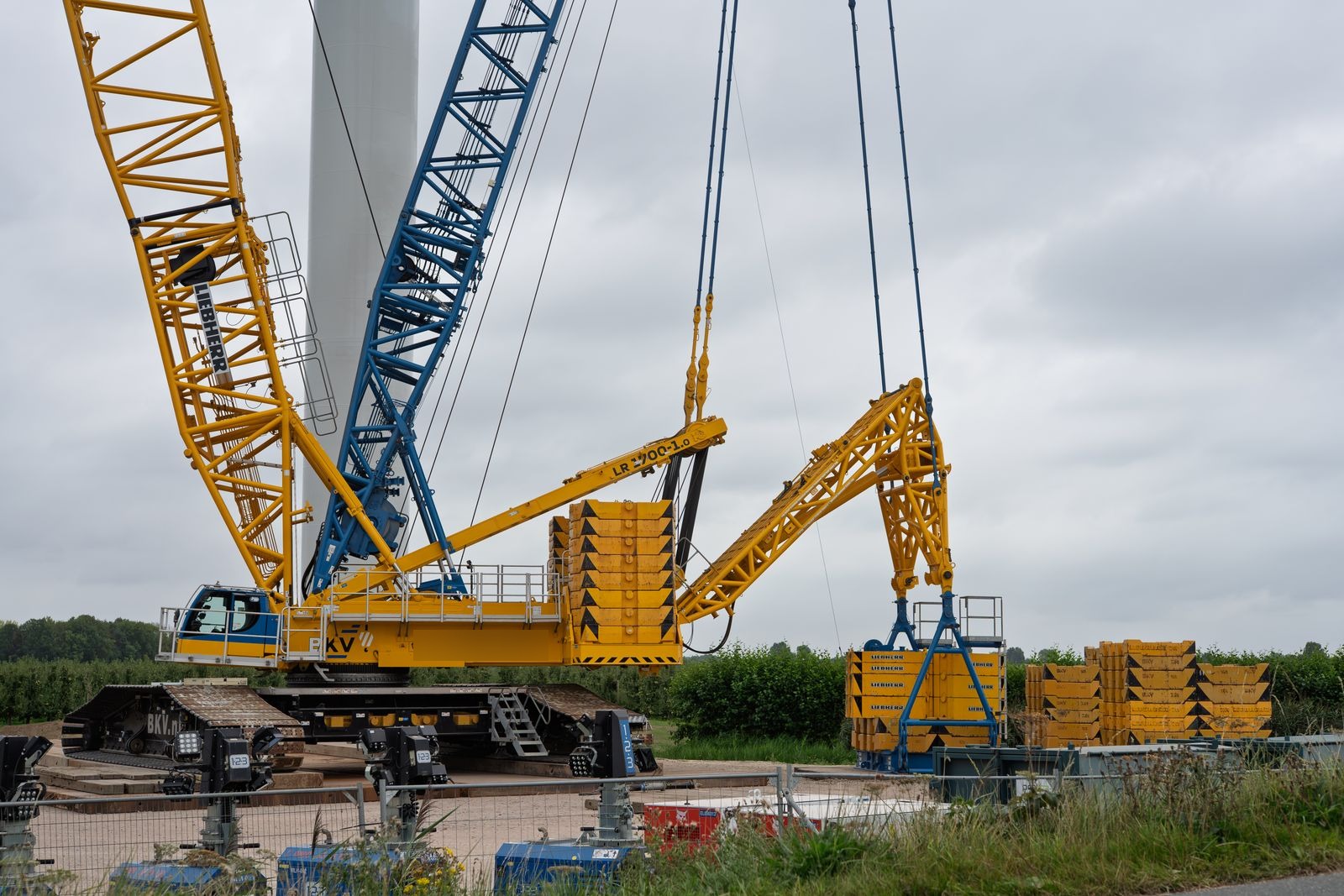
The Crane Operator's Path to NCCCO Certification
Read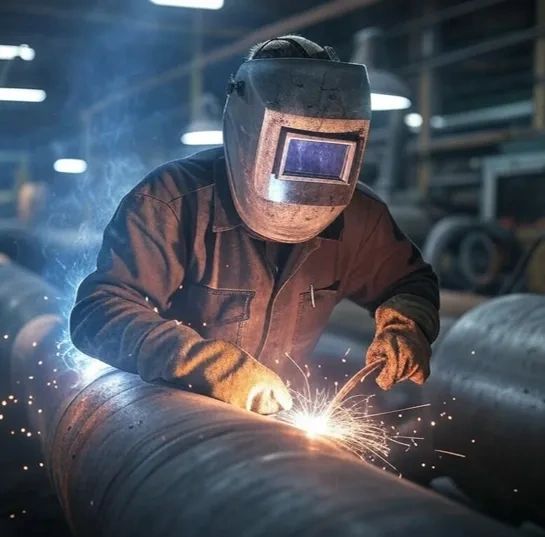
How welding credentials unlock six-figure careers—and how technology keeps them current.
Read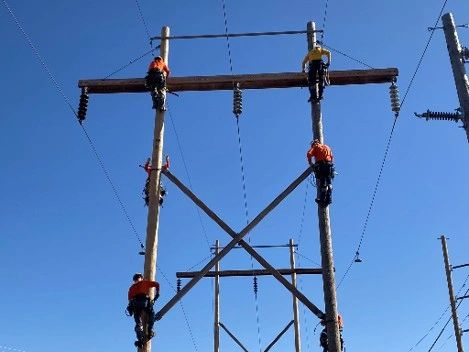
Why Credential Management is the Lineman's Best Friend
Read
The Critical Importance of Credential Management in Skilled Labor
Read
Why Verified and Current Credentials are Non-Negotiable in High-Risk Industries
Read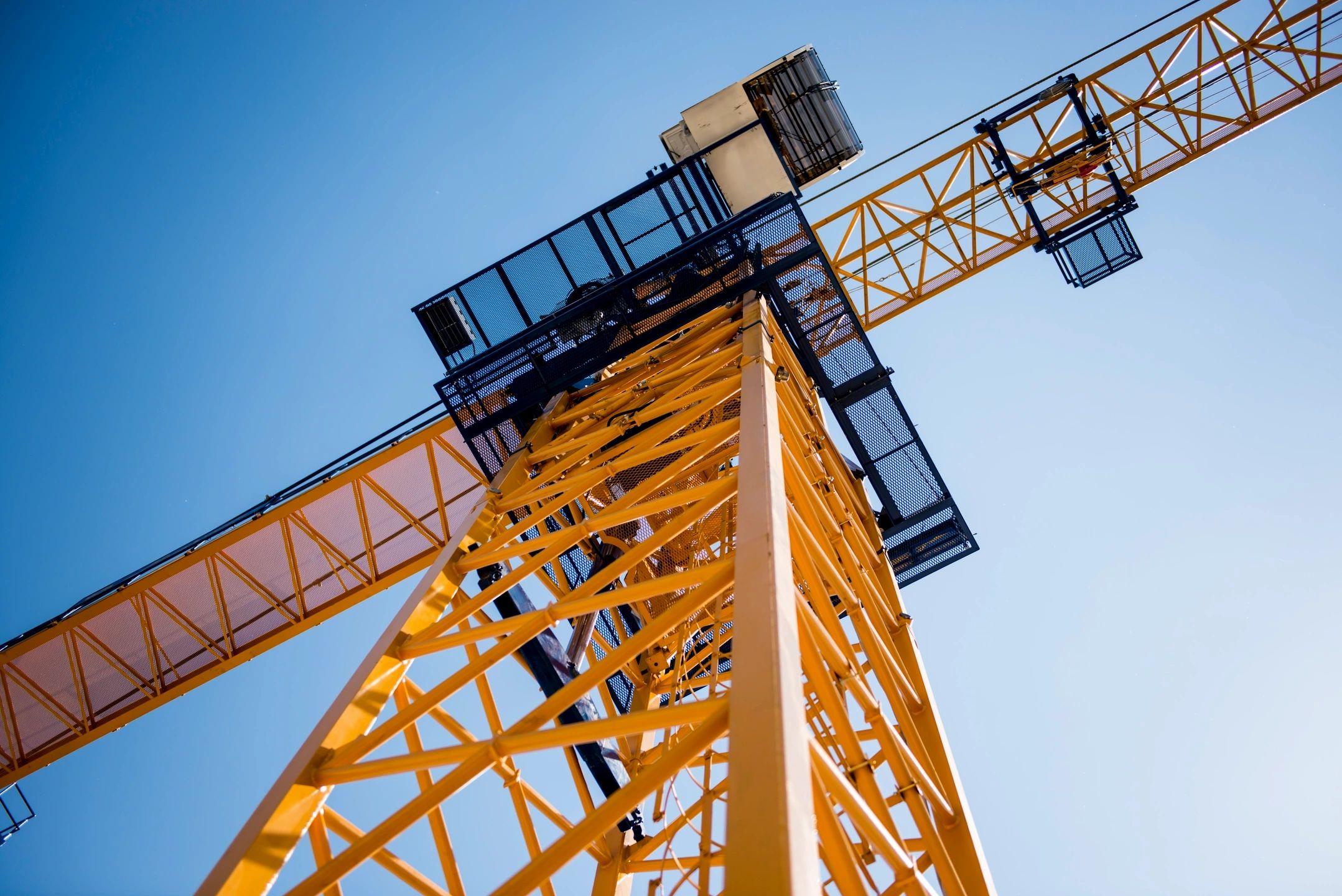
Enhancing Safety and Efficiency in Crane Operations Through Risk Analytics
Read
The Hidden Risks of Expired Certifications in Construction
Read
The Impact of Late Incident Reporting on Insurance Claims
ReadSafety checklists grouped by trade. Open a series to read every tip, in order.
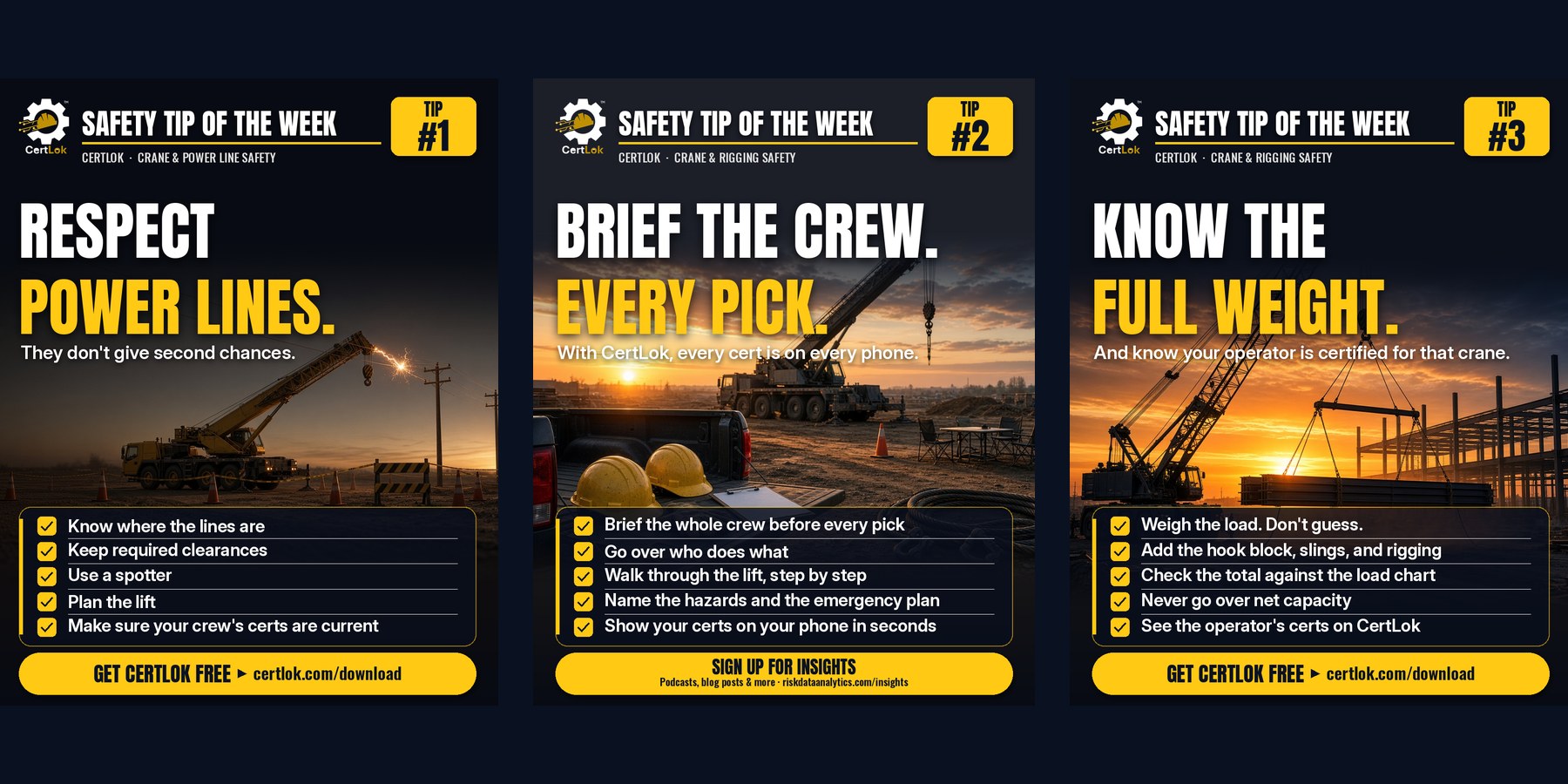
Cranes and Rigging
20 crane safety tips with checklists for operators, riggers, and signalpersons: power lines, load weight, rigging, setup, signals, wind, and severe weather.
Infographics
 Crane and tilt-up safety
 Wind loads and crane safety
 Power line safety
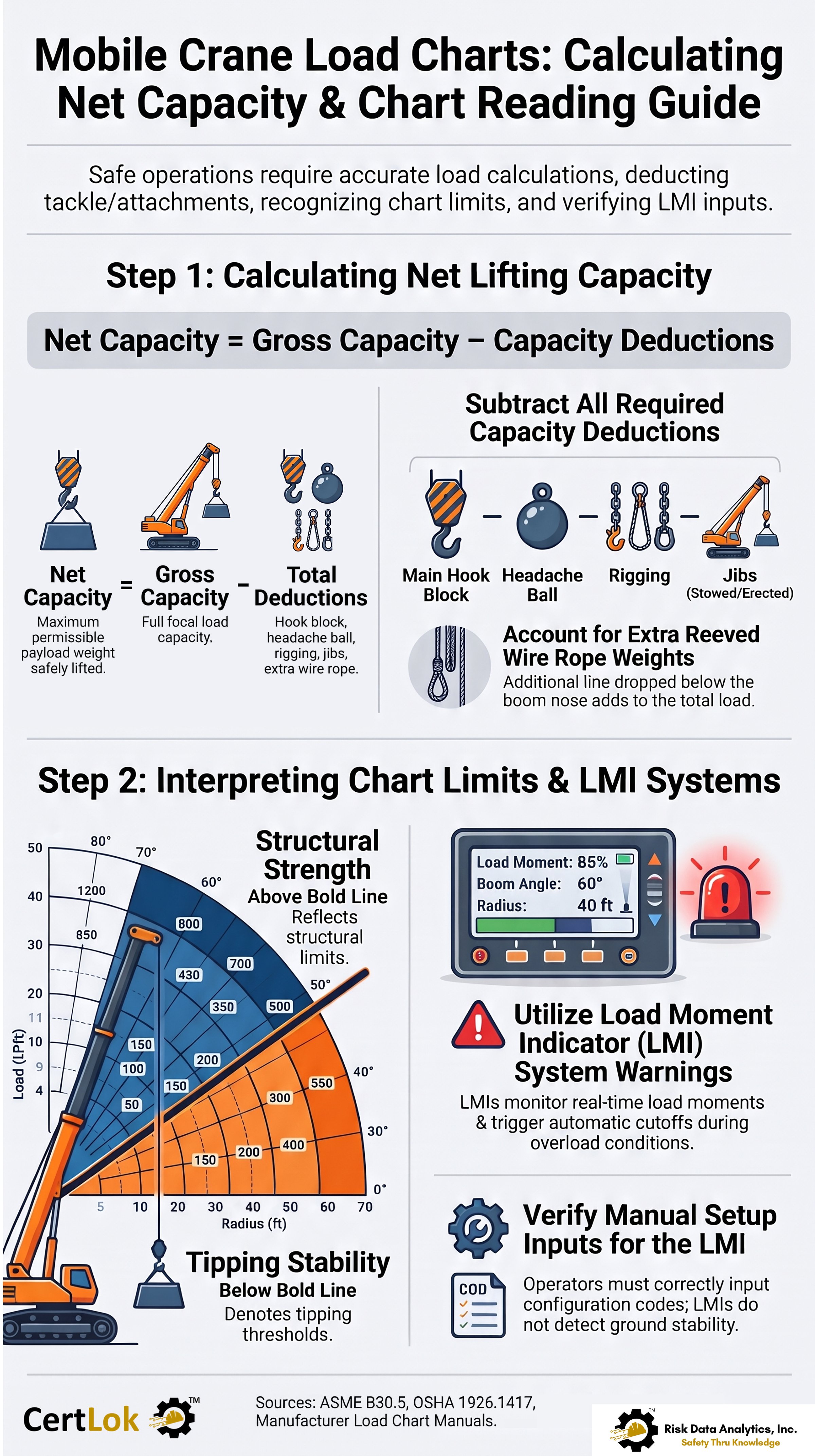 Load charts and net capacity
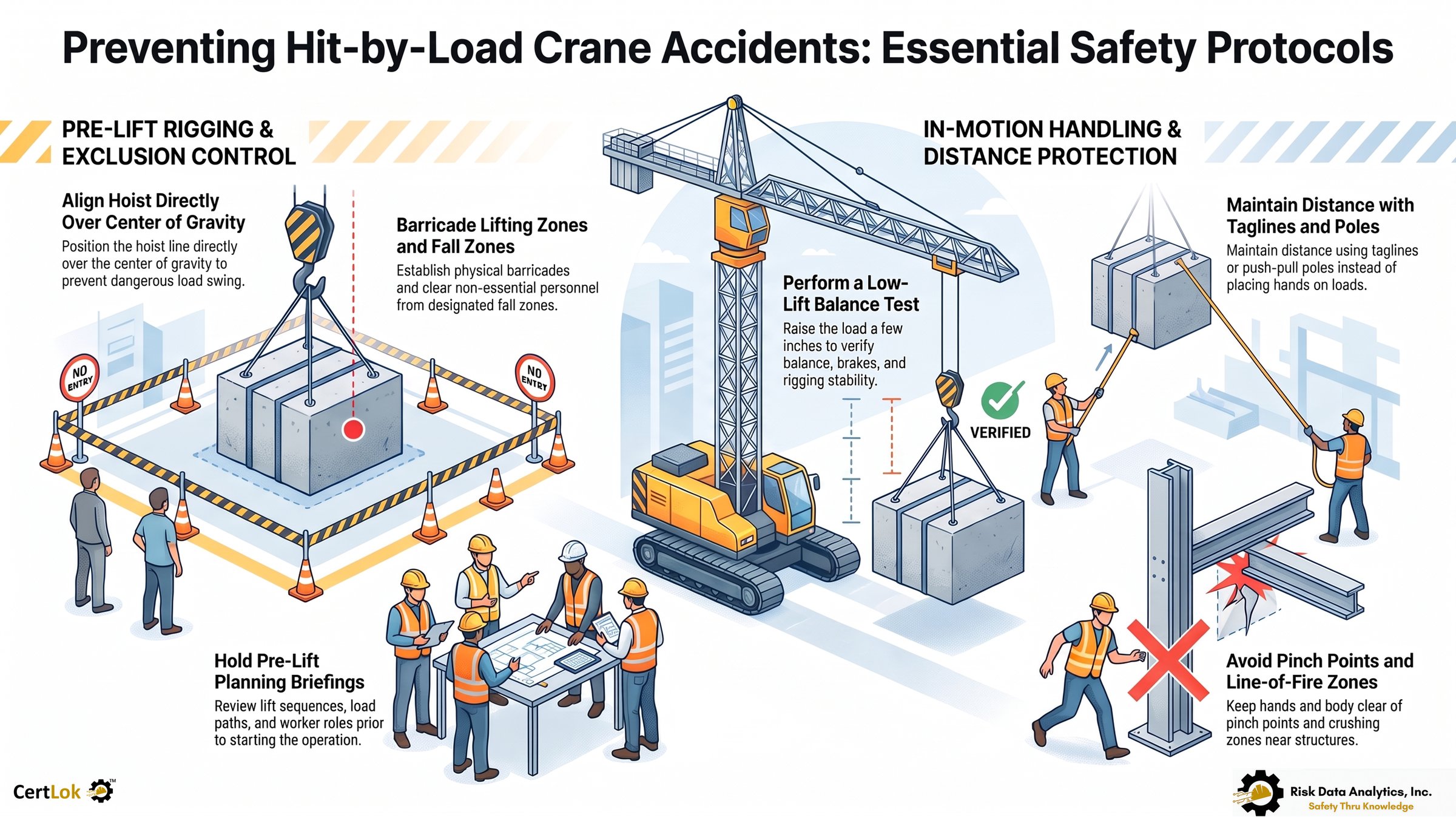 Preventing hit-by-load accidents
 Cold weather crane operations
General advisory. Cold-weather limits may differ by crane maker, so check your manufacturer's manual.
General safety information only. Always follow your employer's safety program and the official OSHA standards.
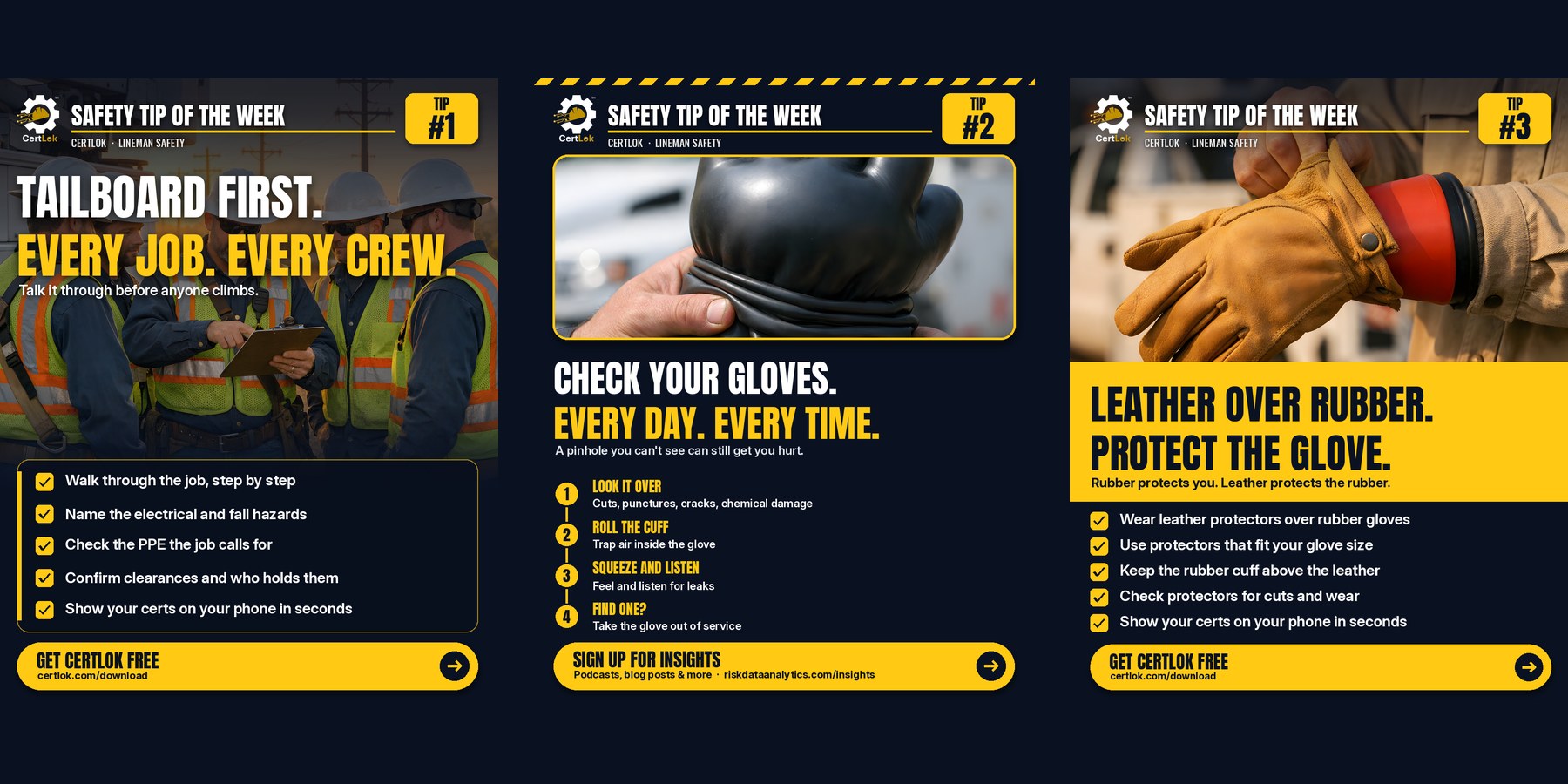
Linemen and Electrical
20 lineman safety tips with checklists: tailboards, rubber gloves, approach distance, grounding, fall protection, hot sticks, storms, manholes, and rescue.
Read
Drivers
Driver safety tips for crane carriers, line trucks, and flatbeds. Tip #1: speed and following distance, with a checklist to use before you roll.
Read
Heavy Haul
20 heavy haul safety tips with checklists for oversize and overweight loads: route surveys, permits, securement, escorts, flags and lights, hours of service, and breakdowns.
ReadShort educational episodes from Risk Data Analytics, Inc.
Listen on Apple Podcasts, Spotify, and Amazon Music:



Longer educational episodes from Risk Data Analytics, Inc.
Listen on Apple Podcasts, Spotify, and Amazon Music:
CertLok announcements and product videos from Risk Data Analytics.
CertLok is designed for the credentials skilled workers actually carry.
These articles are from our partner Hook Risk Management. Each card opens the original article on hookrm.com.
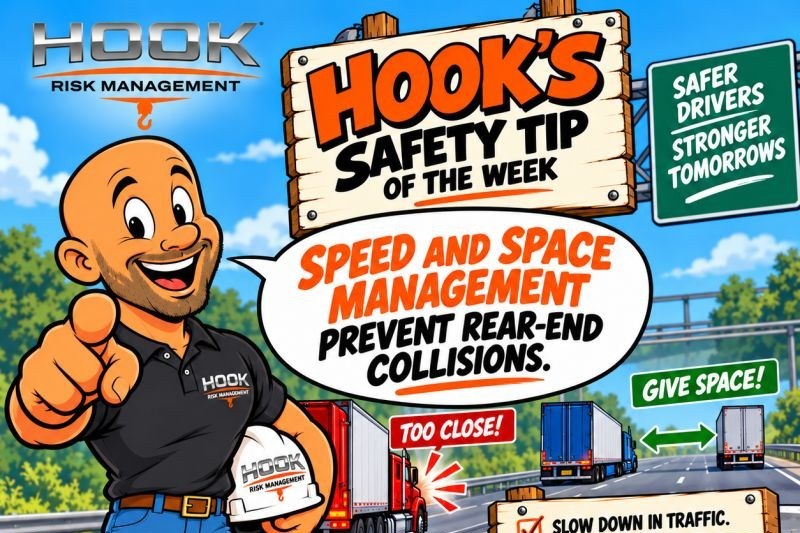
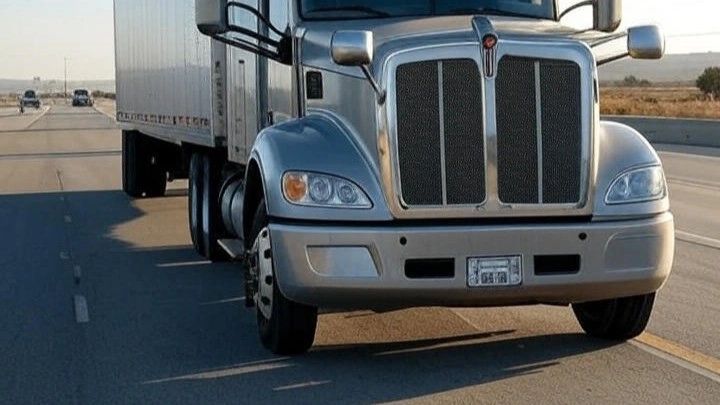
Rear-end collisions are among the most common highway crashes, and they can be especially serious for crane companies and specialized carriers. Hook Risk Management’s safety tip of the week focuses on speed and space management: keep a safe following distance, look ahead, cut out distractions, and use cameras and coaching to back up training. Telling drivers to slow down is not enough; the habits have to be trained and reinforced.
Hook Risk Management
View on LinkedIn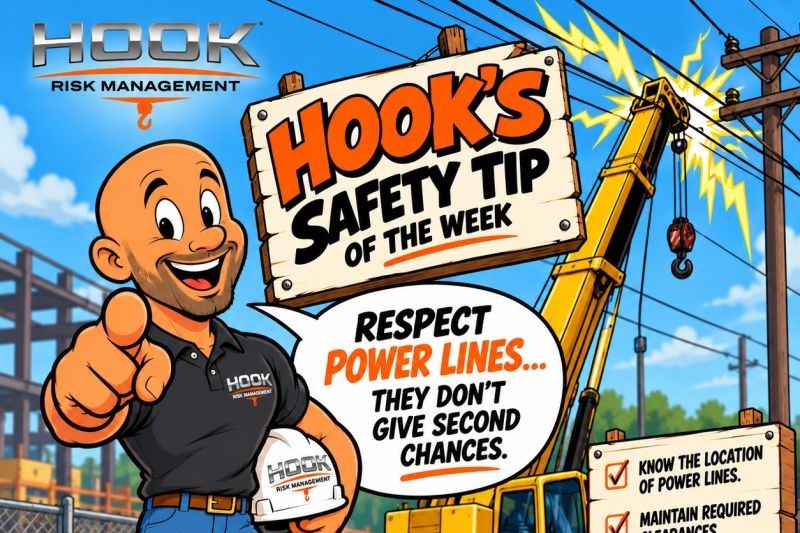
Power line contact remains a leading cause of crane-related deaths. Hook Risk Management’s safety tip says the work starts before the crane arrives: find overhead lines, coordinate with the utility, keep the required clearance, use spotters and warning boundaries when they are needed, and talk about the hazard in the pre-lift meeting. A few minutes of planning can prevent a lifetime of consequences.
Hook Risk Management
View on LinkedIn
When a crane arrives, customers often treat a site walk, job safety analysis, or pre-lift meeting as a delay, especially on work that looks routine. This article argues that checking ground, access, overhead hazards, and the lift plan is part of the job, not wasted time, because an accident, injury, investigation, or lawsuit costs far more than the short pause it takes to prepare. Operators should be supported when they ask questions, document concerns, or stop work until the site is actually ready.
By Joe | Hook Risk Management
Read on Hook Risk Management
After a crane incident, investigators do not stop at the load, the machine, and the people on site. They work backward through the first call, the quote, emails, dispatch notes, and later field changes to determine what the company knew, what it agreed to provide, and who actually controlled the work. A defensible file is a consistent story across those records, so scope, red flags, handoffs, and changed conditions need to be documented long before anyone needs a defense.
By Joe | Hook Risk Management
Read on Hook Risk Management
Change orders are often treated as billing paperwork, but in crane work they also record that the job no longer matches the information used to choose equipment, assign roles, or set the price. When the load, radius, ground, utilities, crew, or added services change, a written pause lets the company reassess before field pressure turns the new conditions into an unreviewed job. A verbal promise to pay the difference is not enough; a simple field process with clear approval authority supports stop-work decisions and ties the invoice to the work that was actually performed.
By Joe | Hook Risk Management
Read on Hook Risk Management
Two lifts with the same crane can carry very different exposure, so a quote built only on hourly rate, travel, and mobilization is incomplete. This article describes a three-part price: the physical work, the added risk of the job, and the controls needed to manage that risk, such as matting, planning, supervision, or traffic control. Leaving those controls out to win a lower rate underfunds the job and can pressure crews to skip resources or continue when conditions change.
By Joe | Hook Risk Management
Read on Hook Risk Management
Selecting a crane by the lowest hourly rate or a customer’s requested tonnage often ignores the actual load, radius, configuration, ground, and access. A machine chosen at the edge of capacity can become unusable when the setup moves or the load differs, leading to remobilization and a higher total cost, and a cheap quote may also leave out the controls the job requires. The right comparison is whether the equipment can complete the real work, not which rate looks lowest on the quote.
By Joe | Hook Risk Management
Read on Hook Risk Management
A crane job can start with a defined request and still expand, one small favor at a time, into directing customer crews, controlling traffic, or approving ground and rigging that were never in the quote. Vague sales language and pressure to keep the work moving can leave the company owning tasks it did not plan, staff, or price. Quotes should assign roles clearly, crews should have a way to pause and document added scope, and sales, dispatch, and operations should describe the same job.
By Joe | Hook Risk Management
Read on Hook Risk Management
A customer’s comment that power lines are “not that close” does not give a crane company enough information to evaluate the work, because the machine, load path, counterweights, and support equipment may travel through areas the customer is not considering. Electrical exposure has to be identified during sales intake, reviewed internally, coordinated with the utility, and included in the price before the crane is mobilized. Vague answers should trigger more questions and a defined control plan, not a faster quote.
By Joe | Hook Risk Management
Read on Hook Risk Management
The setup surface should be discussed during sales intake, not discovered for the first time when the operator looks for a place to set outriggers. Calling the area concrete, asphalt, or gravel only describes what is visible, not what may sit underneath, and those conditions affect crane choice, matting, engineering, price, and who must prepare and disclose the site. Quotes should state the assumptions and customer responsibilities and support a stop and a change order when the site does not match what was represented.
By Joe | Hook Risk Management
Read on Hook Risk Management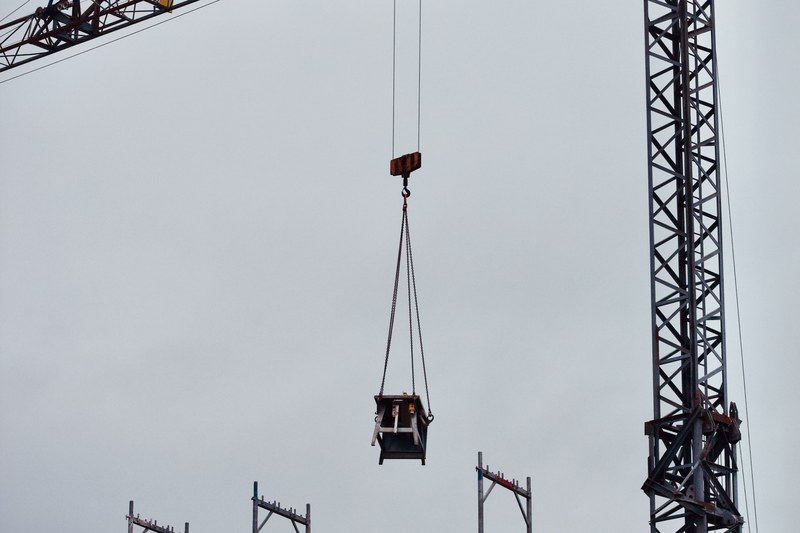
A customer’s estimated load weight can quietly be treated as a confirmed fact once it appears in a quote, even though the crane will respond to the actual load. Sales should record both the number and where it came from, treat dimensions, center of gravity, contents, and lifting points as part of the load, and use language that allows equipment and price to change if the information is wrong. Crews need a clear process, and management support, to stop and reassess when the load on site differs from what was quoted.
By Joe | Hook Risk Management
Read on Hook Risk Management
Customers often want a crane price before the facts needed to choose a crane are known. This article lays out seven intake questions: what is being lifted and how the weight was determined, where the pick and set points are, what the ground and setup conditions are, whether power lines or other utilities are present, who is providing the people and directing the work, what schedule and access limits apply, and what contract or insurance terms are involved. Incomplete answers should pause a firm quote or trigger review, so the company prices a defined job rather than an unknown risk.
By Joe | Hook Risk Management
Read on Hook Risk Management
Helpful sales phrases can be heard as a promise that the crane company has already accepted site conditions, lift direction, or a price that will not change. After a dispute or loss, informal emails, texts, and calls may be used to argue that the company took on a broader role than the written quote described. Sales should use specific, conditional language, explain the company’s evaluation process instead of offering unverified assurances, and leave technical acceptance to operations.
By Joe | Hook Risk Management
Read on Hook Risk Management
A crane quote is more than a price. It is the first formal record of what the company knew, assumed, included, and agreed to do, and investigations after a loss often start there. Silence on responsibilities can be read as acceptance, so the quote should state the scope, assumptions, exclusions, customer duties, and the source of critical facts, and important emails and texts should be kept with the file so the field team has a clear reference when conditions change.
By Joe | Hook Risk Management
Read on Hook Risk Management
A crane job often begins with the first sales call, not when the outriggers go down, because that conversation is when load, site, schedule, and responsibility first enter the company. If sales issues a quick price on incomplete facts, the field crew inherits avoidable pressure when the work on site does not match what was sold. Sales does not need to make every technical decision, but it should gather the right information, escalate red flags, and treat the quote file as the start of the company’s risk control.
By Joe | Hook Risk Management
Read on Hook Risk ManagementBlogs, podcasts, and product news. Same sign-up as the form near the top of this page.
We use your email only to notify you of new Insights and product news; see Privacy Policy.