Credentials and Certifications
By Risk Data Analytics, Inc Article 008
In today's fast-paced work environment, skilled labor forms the backbone of industries like construction, first responders, aviation, and manufacturing. These professionals like—crane operators, electrical lineman, and welders—rely on specialized training and certifications to perform their jobs safely and effectively. But what happens when those credentials lapse? Credential management, the process of tracking, renewing, and verifying licenses, certifications, and qualifications, isn't just administrative busywork; it's a vital safeguard against risks that can lead to financial loss, legal troubles, and even loss of life.
Effective credential management ensures compliance with industry standards, maintains workforce competency, and protects both employees and the public. Without it, skilled workers may unknowingly (or knowingly) operate outside legal bounds, exposing themselves and their employers to severe consequences. In this post, we'll explore why credential management matters and illustrate its importance with real-world examples where lapsed or invalid credentials contributed to tragedy.
Skilled labor often involves high-stakes tasks where errors can have dire outcomes. Certifications and licenses aren't mere pieces of paper—they verify that a worker has the knowledge, skills, and ongoing training needed to handle complex responsibilities. Here's why prioritizing credential management is essential:
Poor credential management isn't rare. Studies show that up to 20% of certifications in regulated industries expire without renewal due to oversight or administrative hurdles. The ramifications can range from minor fines to catastrophic events.
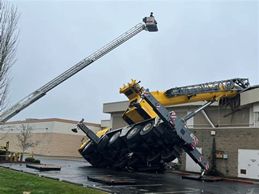
In construction alone, where heavy machinery like cranes demands rigorous certification, lapsed or invalid credentials contribute to numerous accidents each year. According to OSHA data and industry reports, unqualified operators are a recurring factor in crane-related fatalities, with credential issues often stemming from inadequate verification by employers. For instance, a widespread cheating scandal uncovered in 2023 revealed that hundreds of crane operators had fraudulently obtained NCCCO certifications through falsified exams, leading to the invalidation of nearly 1,000 tests. Many of these operators failed retakes or never bothered, yet potentially continued working with bogus credentials, heightening risks on job sites. This scheme underscores how systemic flaws in certification processes can flood the industry with underqualified workers and the importance of certification bodies like NCCCO are to the industry.
These examples demonstrate that credential mismanagement in construction often involves employers skipping verification steps, allowing unqualified individuals to operate dangerous equipment. Importantly, these violations with credentials are not always intentional; they frequently result from the complexity of managing numerous certifications and the lack of rigorous processes, as the administrative overhead of monitoring credentials can lead to oversights. Crane accidents claim dozens of lives annually in the U.S., with unqualified operators cited in many OSHA investigations as a key contributor. Broader statistics from the Bureau of Labor Statistics indicate that "struck-by" and "caught-in/between" incidents—common in crane mishaps—account for a significant portion of construction fatalities, many preventable through proper credential checks.
These construction tragedies serve as stark reminders that credential lapses aren't victimless oversights. Here are key takeaways for workers, employers, and industries:
Implementing these practices can mitigate risks and foster a culture of accountability. By leveraging tools like CertLok, organizations in high-risk fields like construction can automate much of the credential lifecycle, reducing human error and enhancing overall safety.
Conclusion: Prioritize Credentials to Protect Lives and Livelihoods
Credential management in the skilled trades isn't optional—it's a lifeline. The heartbreaking stories from construction illustrate how a single lapsed or invalid credential can cascade into irreversible harm. By staying vigilant, workers and employers can uphold safety standards, avoid legal pitfalls, and build resilient careers. If you're in skilled labor, review your credentials today. And if you're an employer, invest in robust systems to track them. Your next renewal could prevent a headline-making disaster.